

Technology Expense Management: 12 Powerful Cost-Saving Tips

Introduction
Almost every business operation is heavily dependent on technology in the digital world. Cloud software, mobile devices and cybersecurity tools all make their way into the budget of a tech-savvy business in any industry with every passing year, along with subscription-based platforms. Although such investments enhance productivity and innovation, they can also generate unnecessary costs if mismanaged. This is where technology expense management plays a pivotal role.
Tech expensing management is the practice of tracking, analyzing, optimizing and controlling technology-related costs throughout an organization. It assists companies in identifying how and with whom their money is being spent, minimizing waste, negotiating the best possible contracts, and optimizing the yield on tech dollars. Structured technology expense management can benefit companies of all shapes and sizes, whether it be a startup or multinationals.
With more organizations integrating themselves into various digital solutions, controlling technology expenses has become much more than simply be a financial function. It has transformed into a key business capability that drives growth, efficiency, compliance and sustainability of business outcomes. Organizations that leverage sound technology expense management practices are in a better position to swiftly accommodate needs as technologies evolve and maintain healthy budgets.
What Is Technology Expense Management?
It involves keeping track of all the expenditure related to technology assets and associated expenses. These costs can include subscriptions to software packages, cloud services, internet connections, telecommunications and mobile devices as well as hardware purchases, software licenses, maintenance contracts and cybersecurity solutions and/or even IT support.
The purpose of technology expense management is to make sure all technology investments are delivering tangible value. Explore also: How much is a least one percent in funding? Rather than letting technology costs spiral out of control without guardrails, enterprises gain insights from enhanced visibility into their expense patterns to power better financial decisions.
Combination of Financial analysis, IT asset management, vendor management and Automation Modern technology expense management improves cost efficiency enterprise wide.
Why Technology Expense Management Matters
Digital Transformation → It Novii is a Lifetime Part, With Technology Spending on the Rise Unfortunately, many organizations are often left paying for software licenses they never use, duplicate subscription services, unused hardware or high vendor contracts.
A good technology expense management strategy enables companies to detect excessive spending before it turns into the cost of doing business. But with greater visibility since you have to know where all money goes, decision makers can be more precise about which resources fit within the budget and thus offer employees the tools they need.
When technology expense management is a focus for organizations, they have lower operational costs, better financial planning, enhanced vendor relationships, and more transparency across departments.
Critical Aspects of Technology Costs Management
This would usually begin with the best practices in a technology expense management program which includes various crucial elements that work together to ensure you have control over your technology costs.
IT Asset Management
Complete visibility in all technology assets an organization owns has to be the single biggest ask of a security organization today. Computers, servers, networking equipment, mobile devices and software licenses fall under this. This lowers the chances of making duplicate purchases, as well, all while enabling lifecycle planning.
Software License Management
That is especially true when it comes to the software licenses that most companies purchase but never use. Regular audits allow organisations to spot dormant accounts, expired subscriptions and synergies to consolidate software platforms.
Cloud Cost Optimization
Benefits of the Service: Flexibility — Cloud computing enables great flexibility, but costs can spiral if gone unchecked. Organizations must frequently analyze their cloud usage, eliminate unused infrastructure types, and select the most cost-effective pricing models.
Vendor Contract Management
Technology vendors provide various pricing models, renewal terms and service agreements. That is why organizations should review their contracts periodically to negotiate a better price and in order to avoid automatic renewal which increase the costs unnecessarily.
Telecom Expense Management
Their phone systems, internet and mobile plans, and other communications platform make it into the major tech costs. Many companies use telecom bill monitoring apps to make sure they only pay for what they actually use.
Benefits of Technology Expense Management
Technology expense management has many benefits that go beyond simple cost reduction.
The greatest advantage is improved visibility of finance. Business leaders obtain a truthful view of technology investments in every department. Such information helps in efficient budgeting and planning for the future.
Another notable benefit concerns cost optimization. Tracking unused services in order to eliminate waste allows organizations to reduce unnecessary expenses without impacting productivity.
Managing technology expenses also promotes compliance as software licenses do not get invalidated or vendor contracts fall short of regulatory necessities.
Better forecasting is another big advantage. Historical spending data gives finance teams a clearer view of how to forecast IT investments in the future.
Spending data also strengthens vendor relationships by giving businesses leverage in contract negotiations.
Common Challenges Businesses Face
Over the years, their technology environment becomes complicated and many organizations face challenge regarding technology costs.
A typical problem is decentralized purchasing. When departments buy their own software, they are likely to end up with overlapping subscriptions and uneven pricing across similar services.
Another issue is limited visibility. Finance teams cannot track the real total technology spend without consistent centralized reporting.
The rapid adoption of cloud services has also brought new challenges. Workers subscribe to cloud services without needing approval from IT, a practice called shadow uploading that conceals extra expenses.
Automatic software renewals, fluctuating vendor pricing and new hardware purchases contribute to the difficulty of tracking technology expenses.
Technology expense management: Best Practices
Proven best practices allow businesses to get the most value we can from technology expense management solutions.
Always keep an updated inventory of all your technology & software subscriptions. All these purchases must be tracked and reviewed often.
Secondly, to conduct quarterly expense audits that can help you identify unnecessary costs and savings opportunities.
Third, implement approval processes for technology purchases to curb the purchase of duplicate software.
Automating expense tracking, at least where possible, is another area organizations should prioritize. A state-of-the-art expense management platform offers real-time dashboards, automated reporting and alerts to monitor spending.
Finally, bring both finance and IT departments to the budgeting table With the collaboration, investment will happen based on business need while keeping financial prudence.
Using Automation to Enhance Management of Technology Expenses
Enterprise automation has revolutionised the domain of Technology expense management as it reduces manual working along with improving accuracy.
Automated platforms aggregate billing data from different vendors, segment expenses, flag issues on unusually high for an artificial intelligence-based investigation and produce comprehensive accounting reports. Additionally, these tools help to track usage of various software programs, detect unused licenses and present cost-saving opportunities.
Finance teams are presented with actionable insights instead of manually browsing through hundreds of invoices, allowing for quicker decisions.
Companies that leverage automated technology expense management solutions are generally more efficient, incur fewer billing errors, and have enhanced control over total technology costs.
Technology Expense Management Tools
Choosing the appropriate software is vital for effective technology expense management. Many modern platforms are giving organizations better visibility over their technology spend whilst automating the scores of financial tasks that take a lot of time to manage in the first place.
An effective tech spend management tool should have certain features- expense tracking, invoice management, contract tracking, software license management, cloud cost analysis, reporting dashboard and automated alerts. These features help businesses identify unnecessary expenses before they hurt the budget.
Many organizations have additionally built-in technology expense management software with ERP, accounting systems, and IT service administration platforms. This integration enhances data precision and allows enhanced synergy between finance and IT teams.
Artificial Intelligence in Technology Expense Management
Artificial Intelligence Is Changing How Organizations Manage Technology Costs AI-driven systems can scan through thousands of invoices, contracts and usage reports in a matter of minutes thereby making technology expense management more streamlined than ever.
Also, machine learning algorithms can find outliers in spending habits, unnecessary or duplicate software subscriptions, future forecasting expenditures, and suggest the most cost-efficient ways of doing business. Businesses get real-time insights, which enable faster decision-making instead of waiting for monthly financial reports.
AI also enhances forecasting by studying past spending patterns. These predictions can also allow finance teams to create more accurate budgets and eliminate unforeseen technology costs.
As AI technologies develop further, technology expense management will be more automated than ever, leaving organizations with the ability to focus on strategic planning over manual expense crunching.
Technology Expense Management by Industry
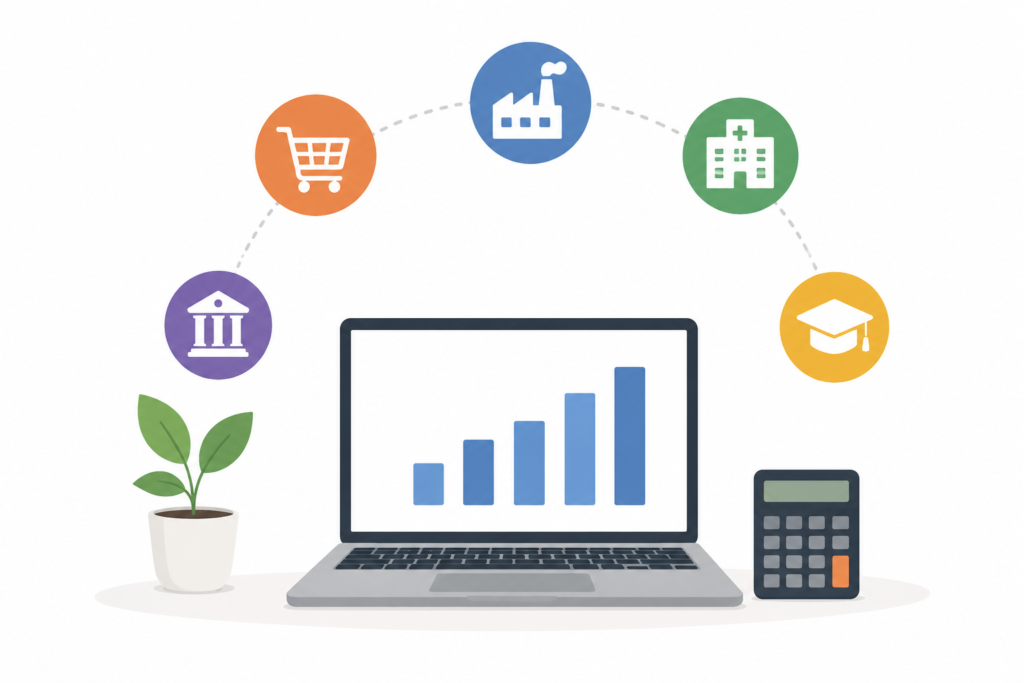
While technology expense management is important across the business sectors, each industry will have its unique technological needs.
Technology expense management in healthcare is a strategy to manage costs associated with electronic medical records, cybersecurity, medical software, and communication systems while remaining under regulatory supervision.
Financial institutions rely on technology expense management to track spending in areas like cybersecurity, cloud infrastructure, payment systems and regulatory technology.
Campuses take on expenses associated with learning management systems, online collaboration tools, in-classroom technology and campus networking equipment in this regard.
Manufacturers use technology expense management to spend efficiently on industrial software, automation systems, IoT devices, and production technology.
For retail businesses, technology expense management involves the monitoring of technological expenses around e-commerce platforms, payment processing systems, inventory management software and customer relationship management tools.
Common Mistakes to Avoid
Companies that even have an IT team assigned to managing technology can still make decisions that lead to unnecessary costs. By steering clear of these common pitfalls, technology expense management can be much easier.
Recalling vendor contracts is another significant blunder made by business owners. Auto-renewals often come with price hikes that creep up on you for months.
Another frequent scenario involves buying software without ensuring a similar solution already exists in-house. Duplicate subscriptions waste valuable budgets.
Another costly mistake is overlooking software utilization reports. In fact, many businesses still pay for applications that few workers ever touch.
Miscommunication between IT and finance can also diminish the impact of technology expense management. Both teams need to collaborate with one another when determining the value of technology investments and spend allocations.
Finally, if you still depend on spreadsheets rather than automated platforms, it becomes nearly impossible to accurately track your rapidly growing technology expenses.
Evaluating the Effectiveness of Tech Expense Management
Organizations are encouraged to use tangible KPIs to assess the effectiveness of their technology expense management strategy on a consistent basis.
Important metrics include:
- Total technology spending
- Cost savings achieved
- Software license utilization
- Cloud resource efficiency
- Vendor contract performance
- Percentage of unused technology assets
- Budget accuracy
- Return on technology investment (ROI)
Through monitoring these metrics, organizations can track improvement opportunities and quantify the business case of technology expense management initiatives.
Emerging Trends in Technology Expense Management
Rapid technological innovation and digital transformation will define the future of technology expense management.
Artificial Intelligence will go on automating expense analysis and financial prediction. Predictive analytics will be on the rise and organizations will use them to project the technology costs beforehand.
Cloud computing will again be one of the hottest problems, prompting companies to seek improved visibility into outlays on subscription-based services and infrastructure costs.
With automation, they can minimize manual processes within invoice processing, contract management and reporting activity — giving finance professionals time to focus on strategic planning.
Cybersecurity spending will also be a greater portion of technology expenditure management, as companies invest additional time to protect digital assets and keep the regulatory compliance.
Sustainability is another emerging trend. Organizations have started incorporating energy efficiency hardware, responsible e-waste recycling and green technology purchasing decisions in their expense management programs.
Establish A Strategic Technology Expense Management Plan
Strategies for Technology Expense Management Frameworks: Building an effective technology expense management strategy is not a one-time effort; it requires long-term planning and ongoing refinement.
The process should start with having organizations list each and every expense related to technology; create an inventory of assets, subscriptions, vendor contracts and documents.
The next step is setting up explicit spending policies that automate approval flows, purchasing processes, and even budgeting tasks.
So you get to recognize obsolete hardware, unused software, duplicate subscriptions and needless services that can be disposed of through routine audits.
Employee education is equally important. Staff should be aware of purchasing policies within a company and not sign up for unauthorised software without input from IT.
Further, reviews around the performance of technologies must be routine in businesses so that people can see whether each investment aligns with the goals of an organization and results in both measurable business value.
Frequently Asked Questions
What is technology expense management?
Technology expense management is the management of all technology-related expenses, including software, hardware, cloud services, IT infrastructure and telecommunications.
Question 2 : Why is it important to manage the expense for technology?
It enables organizations to eliminate wasteful expenditure, gain better financial clarity, achieve maximum returns on tech investments, optimize vendor management and assist with budgeting decisions.
When it comes to managing technology expense management, who should take the lead?
Traditionally, technology expense management is the responsibility of IT groups, finance teams and procurement professionals — often with oversight from executive leadership.
Does it apply to small businesses that want to manage technology expenses?
Yes. Through effective technology expense management practices, even small businesses can save software costs, plan budgets better, and take better control of their tech spend.
Conclusion
More companies are investing in digital transformation than ever before and among the other benefits, controlling technology costs has also moved up on priority. Technology expense management gives organizations the visibility, control, & strategic insights required to optimize every technology investment.
When we integrate expense tracking, vendor management, software optimization, cloud cost control and automation it becomes easier for businesses to minimize waste while enhancing operational efficiency. Ongoing audits, AI-driven insights into spending patterns and collaboration between finance and IT teams help organizations back their strategies to manage technology expenses better.
Organizations that commit to optimizing their tech expenses are reserved for the ever-expanding technology environment, improved financial performance and sustainable business growth. However, technology expense management goes beyond cost reduction to facilitate smarter investments that ultimately fuel innovation, productivity and sustained competitive advantage in the long run.


